Cannabis consumers are often familiar with the end products—dried flower, concentrates, and edibles—but what exactly happens to the fresh marijuana plant before it reaches the dispensary shelves? Whether you’re a recreational cannabis enthusiast, a medical marijuana patient, or part of the cannabis industry, understanding how the plant transforms can deepen your appreciation of the products you use. From drying and curing to the extraction processes behind concentrates and edibles, here’s a breakdown of how cannabis turns into the products loved by consumers.
1. From Fresh Cannabis Plant to Dried Flower
Dried flower remains the most popular form of cannabis. Whether smoked in a joint, vaporized, or packed into a pipe, the journey from fresh marijuana plant to ready-to-use cannabis flower involves several critical steps, each impacting the final quality.
Drying and Curing: Preserving Cannabinoids and Terpenes
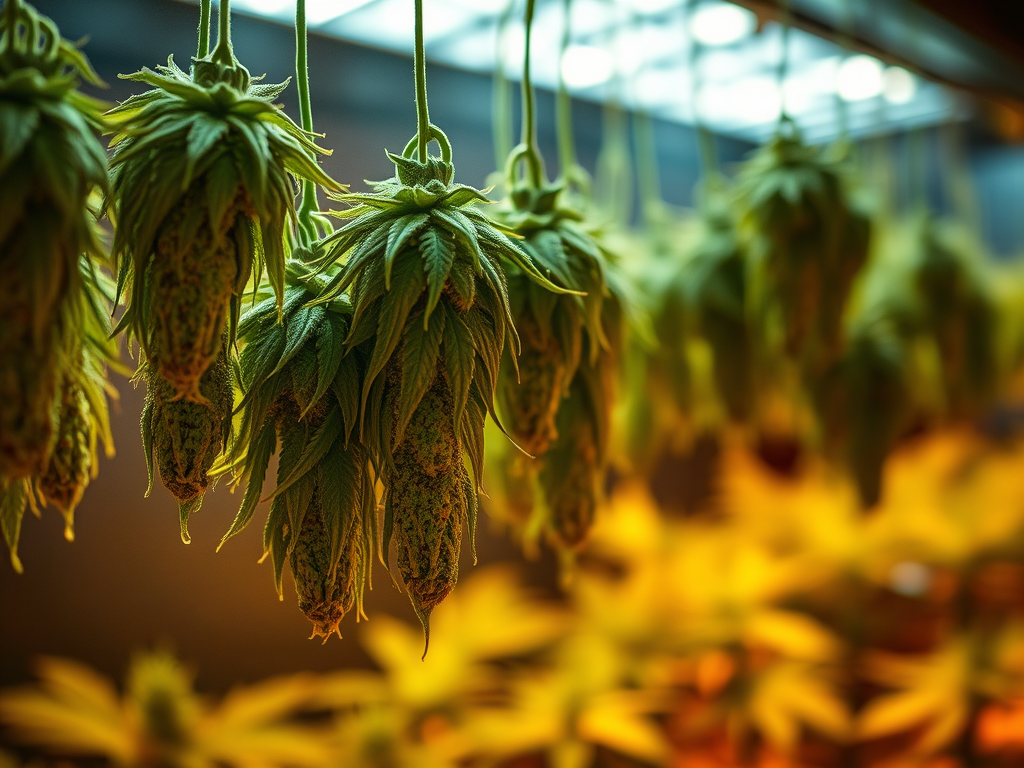
Once a cannabis plant is harvested, it’s full of water and non-psychoactive cannabinoids like THCA and CBDA. The plant must be carefully dried to preserve its valuable compounds. Typically, cannabis plants are hung upside down in a dark, well-ventilated room. The drying process, which lasts anywhere from 7 to 14 days, allows excess moisture to evaporate from the buds. Proper drying is crucial to prevent mold and preserve the terpenes—aromatic compounds that give cannabis its distinctive smell and flavor.
After drying, the curing process begins. This involves placing the dried buds in airtight containers and letting them sit for weeks to months. During curing, cannabinoids slowly mature, and the terpenes stabilize. Proper curing brings out the flavors and enhances the smoking experience, while also allowing for the gradual decarboxylation of THCA into THC, the psychoactive compound that produces cannabis’ characteristic high.
Decarboxylation: Activating THC and CBD
While a small amount of decarboxylation happens during curing, the most significant transformation occurs when cannabis is exposed to heat—either by smoking, vaporizing, or baking. When heated, THCA and CBDA convert to their active forms, THC and CBD, respectively. This chemical change is what makes cannabis flower psychoactive, allowing consumers to experience the desired effects, whether for recreational use or medical marijuana treatment.
2. Cannabis Concentrates: Extracting Cannabinoids for Potency
Cannabis concentrates are a highly potent form of marijuana, created by extracting cannabinoids like THC and CBD from the plant. These concentrates range from simple kief to more complex forms like hash, oil, and wax. For consumers seeking higher potency or alternative consumption methods, concentrates provide an efficient and powerful option.
Kief: The Easiest Form of Concentrate
Kief is the simplest cannabis concentrate, consisting of the trichomes—the resinous glands that cover the cannabis plant’s flowers. Trichomes contain the highest concentrations of cannabinoids and terpenes. When cannabis is ground, the trichomes can be collected as a powdery substance known as kief. While kief is often sprinkled on top of flower or added to joints, it can also be pressed into hash or used to create other concentrates.
Hash: A Traditional Cannabis Concentrate
Hash, or hashish, has been consumed for centuries. This concentrate is made by compressing trichomes into a solid form, either through mechanical sifting or ice-water extraction, which knocks trichomes off the plant. Hash is typically more potent than cannabis flower due to its higher concentration of THC. It offers a strong, earthy flavor and can be consumed by smoking, vaporizing, or adding to edibles.
Cannabis Oils and Wax: Solvent-Based Extraction
More complex concentrates like cannabis oil, wax, and shatter are created through solvent-based extraction processes. Solvents like butane, ethanol, or CO2 are used to dissolve cannabinoids and terpenes from the plant material, producing a concentrated resin. The solvents are then purged, leaving behind a highly potent substance that can be consumed through dabbing, vaping, or incorporated into edibles.
These extraction methods not only increase potency but also trigger chemical changes in the cannabinoids, like further decarboxylation of THCA into THC. The final product is a clean, potent concentrate that’s popular among medical marijuana users for its fast-acting, long-lasting effects.
3. Edibles: Infusing Cannabis Into Food for Long-Lasting Effects
Cannabis-infused edibles are another favorite among consumers, offering a discreet and delicious way to consume cannabis. Whether you’re enjoying a THC-infused brownie, gummy, or beverage, edibles engage the body differently from inhaled forms of cannabis, leading to longer-lasting and more intense effects.
Decarboxylation for Edibles
Before cannabis can be infused into food, it must first undergo decarboxylation. Since raw cannabis contains THCA, which is non-psychoactive, it must be heated to convert it into THC. This is typically done in an oven at around 220°F (104°C) for 30 to 45 minutes. Once decarboxylated, the activated THC can be infused into butter or oil, which is used in most cannabis edibles.
Infusion: Cannabis Butter and Oil
Since cannabinoids are fat-soluble, they bind to fats during the infusion process. Cannabis-infused butter or oil is made by simmering decarboxylated cannabis with the fat for several hours. The resulting mixture is then strained, and the infused fat is used in baking, cooking, or added to beverages.
Metabolism: Why Edibles Feel Different
The way the body processes cannabis in edibles differs from smoking or vaping. When THC is ingested, it’s metabolized by the liver and converted into 11-hydroxy-THC, a compound that’s more potent and has a longer half-life than THC. This is why edibles often produce stronger, longer-lasting effects, making them popular among medical marijuana patients seeking sustained relief.
However, edibles also take longer to kick in—anywhere from 30 minutes to 2 hours—because the THC must be processed through the digestive system. This delayed onset can be deceiving, so it’s essential for consumers to start with low doses and wait before consuming more.
Conclusion: The Science Behind Cannabis Transformation
For cannabis consumers, whether recreational users, medical marijuana patients, or dispensary operators, understanding how the fresh marijuana plant transforms into dried flower, concentrates, and edibles reveals the intricate science behind the products. The drying and curing process ensures that dried flower is flavorful and potent, while extraction techniques used in concentrates bring out the plant’s most potent components. Meanwhile, edible production involves the careful decarboxylation and infusion of cannabinoids for a longer-lasting experience.
Each form of cannabis offers its own unique experience, driven by the chemical changes and processes the plant undergoes. Whether you prefer smoking, dabbing, or eating your cannabis, knowing what goes into creating your favorite product can enhance your consumption experience and deepen your appreciation for this versatile plant.
Don’t forget to subscribe below to get updates, information, and reviews directly to your inbox!
 cannatell
Leave a comment